Have you ever heard of a virus infection in oysters? And if oysters are infected with a virus, what kind of virus is it? Can it be treated? In today’s article, Bavabi will provide readers with information about an extremely dangerous virus. It is not only harmful to humans but also causes mass deaths of Pacific Milk Oysters.
What is Herpes Virus?
A dangerous Herpes virus for humans is Ostreid Herpes virus 1 (OsHV-1). This virus is threatening Pacific oysters. The most popular and valuable oyster species in the world.
The disease is caused by the OsHV-1 virus, which is the only species of the Ostreavirus genus. They have double-stranded DNA, virions with dense cores, protein capsids and lipid envelopes. The diameter of the virus is about 120mm.
Causes of Herpes Virus Infection in Oysters
Due to the filter-feeding habits of Oysters, during the filtering process, Oysters ingest the disease-causing virus and multiply in the host. OsHV-1 is a Herpes virus or Herpes-like virus first discovered in France.

There have been many research efforts on the disease caused by OsHV – 1 in Oysters. However, to date, there is still no clear description of the clinical symptoms of infected Oysters.
Signs of Oysters infected with the Virus
OsHV – 1 virus does not affect the mortality rate in adult Oysters. However, Oysters can carry the pathogen without showing obvious symptoms. If oysters are suspected of being infected with the virus, farmers can perform in situ hybridization to check. This will detect whether OsHV – 1 virus appears in the connective tissues of adult oysters or not?

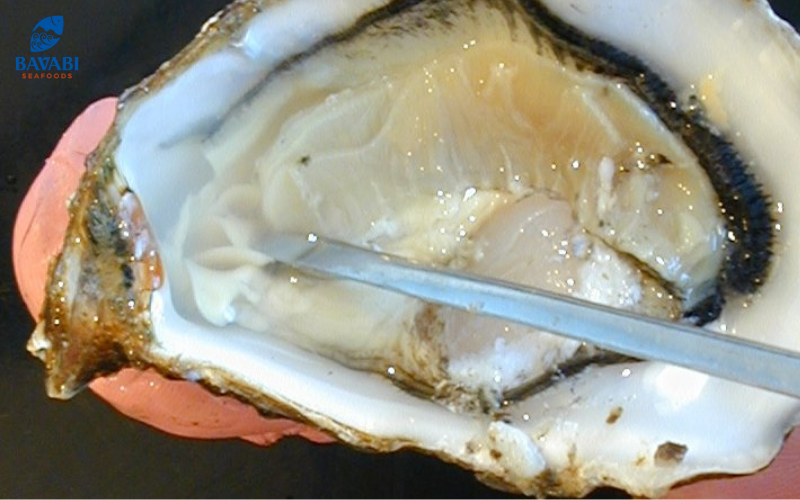
In addition, many opinions say that oysters infected with the virus can have white smooth spots inside the organs. An unpredictable danger of this virus is that it is very difficult to detect. Especially when oysters are in the adult stage. Studies have also shown that there has not been any OsHV – 1 variant that can infect humans.
If you suspect that your oysters are infected or are dying in large numbers, you should send oyster samples for testing. Or consult your local veterinary agency.
Treatment and remedies for sick oysters
Currently, there is no specific treatment or medicine to treat the disease. However, you can prevent and treat diseases in oysters by controlling the farming environment and the quality of the seed.
The virus can be easily destroyed outside the host. High temperatures, chemicals such as soaps, disinfectants, sunlight – UV rays can destroy its shell, capsid or DNA.

Studies on oyster farms in France show that the mortality rate is affected by genotype. In addition, it is also due to the size of the oyster and the water temperature. Adult oysters tend to be more resistant to OsHV – 1 than juveniles. However, the mortality rate for oysters that have not been genetically selected remains high. The rate is over 70% with a weight of 0 – 10g. High mortality rates are also recorded when the water temperature is above 16°C.
Thus, it can be seen that genetic selection is still the best way to prevent oysters from being infected with the virus. At the same time, to significantly reduce mortality, farmers can use triploid oyster varieties.
Reference source: Vietnam Seafarming Association