Oysters are a type of seafood with high economic value. Currently in Vietnam, Van Don – Quang Ninh is considered the capital of oysters. Commercial oyster farming brings a significant source of income to fishermen.
Commercial oyster farming is often divided into two methods: bottom farming and bottom farming. Each method has its own advantages and disadvantages. Oyster farmers can use many methods in the oyster farming cycle to achieve the desired shape and yield.
Bottom farming method
Bottom farming means that oysters grow on the seabed. This is the method of farming Pacific oysters that is most similar to nature. If spread on the bottom layer, the farmed oysters will develop like wild oysters. Because they filter water and live on the same bottom layer. This affects the color and hardness of the oyster shell.
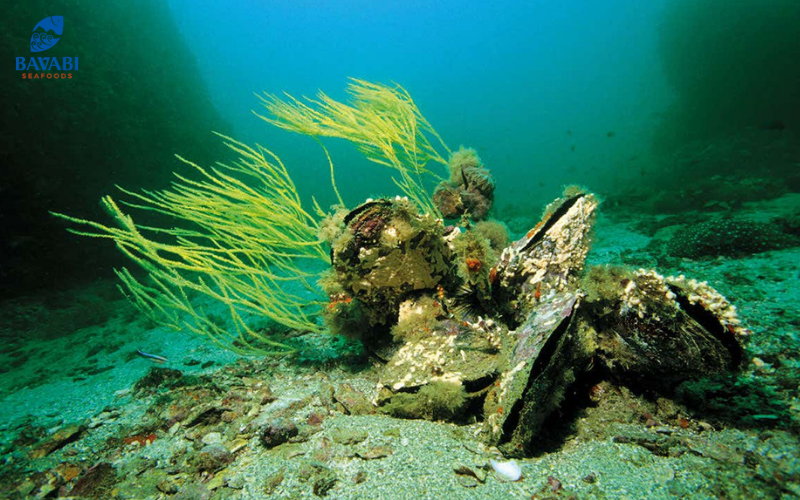
Growing oysters on the bottom can help them absorb minerals from the mud or from being impacted by waves when the tide changes. This can help make the oyster shell much stronger. However, the disadvantage of this farming method is that many oysters are lost. Oysters can die on the bottom. Or be attacked by predators or washed out to the ocean.
Bottom-free oyster farming method
Where is bottom-free farming? This is a farming method for oysters to grow without contact with the seabed. With this method, there are many different ways to farm oysters. Mainly based on the farming tools of fishermen. The farming tools and equipment will be based on the geographical conditions and preferences of the farmer.
For example, if oysters are raised on the beach, bottom farming may be the only viable commercial oyster farming method. Because otherwise, the oysters are at risk of being buried in the sand due to weather changes.
The advantage of bottom farming is that the oysters are protected in the farming equipment. Farmers will lose less oysters due to the weather. Therefore, the profit is greater. However, this farming method requires a large investment in equipment, the oyster shell is not as strong as bottom farming.
This problem is not too big, it can be overcome. Some of the most commonly used bottom-up farming methods include: cage farming, bag farming on racks, tray farming, floating farming, hanging farming…
Cage farming of milk oysters
The net cages for raising oysters are fixed, keeping them from drifting away and not touching the bottom. The cages must have a hard and stable bottom because they are quite heavy and can sink into the mud if the mud bottom is too soft.
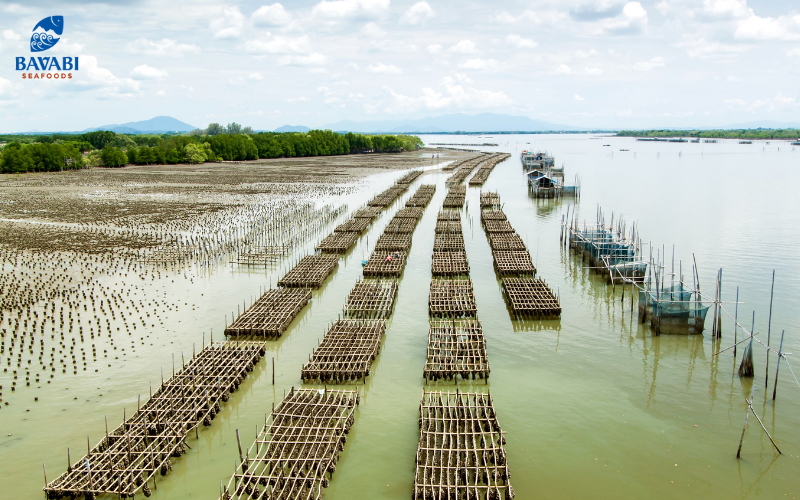
Using cages like this when the oysters are still very small and not ready to touch the bottom. This farming method helps oysters to be better protected than in open water.
At the same time, oysters also have more space to grow. Farmers can decide to use only cages to grow to commercial size. Or combine cage and bottom farming.
Bag farming on racks
Oysters are placed in oyster bags, then tied to pre-welded steel bags. This method of growing milk oysters depends a lot on the tidal range of the area. The farming area needs to have low enough tides for farmers to be able to access the bags.
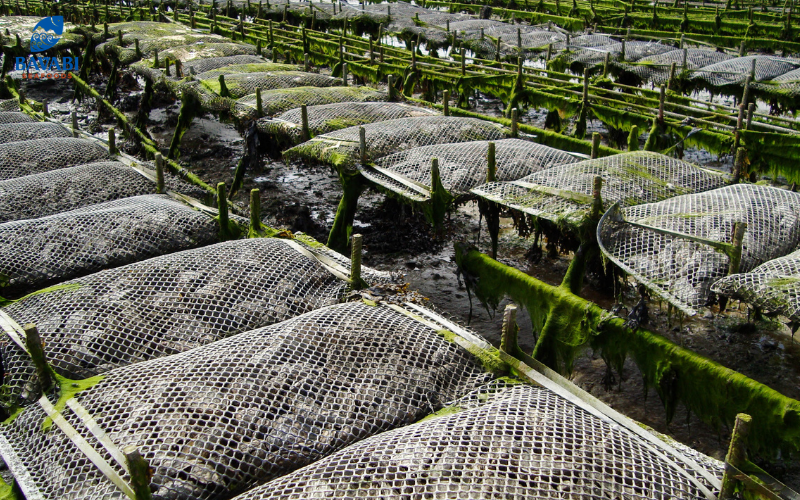
Cultivating milk oysters on trays
Oysters are raised in trays that function like oyster bags and can be stacked on top of each other to save space. Suitable for small, narrow farming areas.
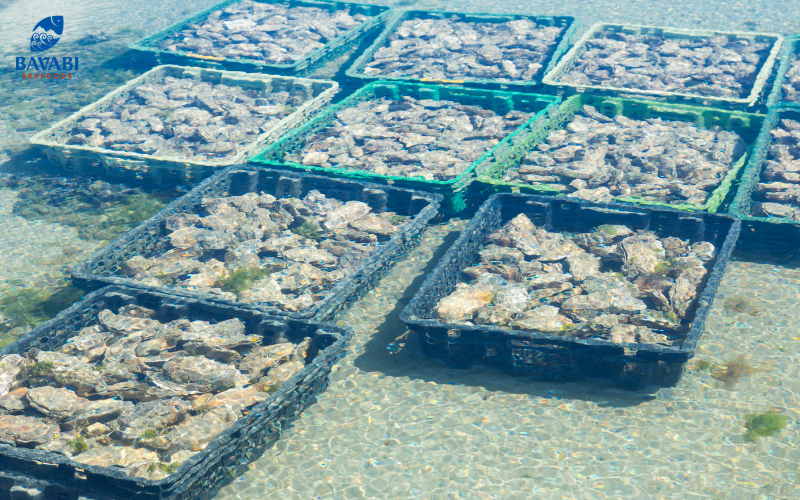
Water surface farming or floating milk oyster farming
For this method of milk oyster farming, farmers can choose different equipment, systems and tools. However, all can float on the water surface.
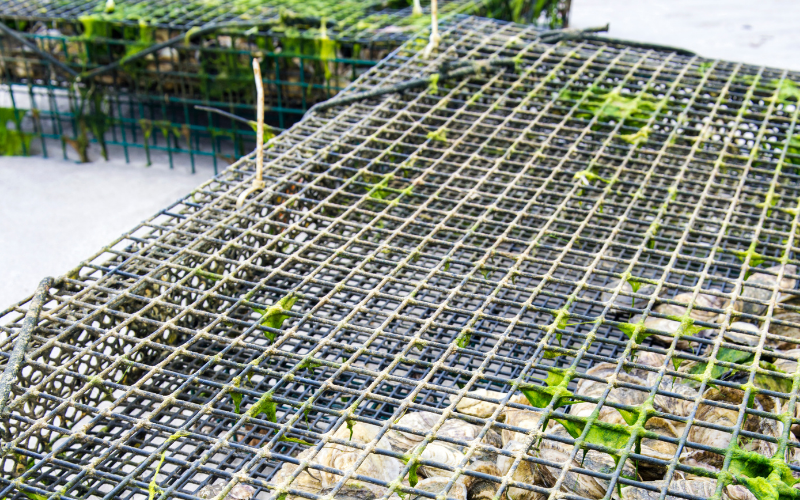
Oyster farming on the water surface is often not dry and is affected by many waves. When the farming bag or equipment becomes biologically contaminated, the equipment will be turned over to expose seaweed and other encrusted organisms to the air.
Suspended farming
In suspended farming, oysters are often hung on buoys that float on the water surface. Thanks to that, the oysters are suspended in the water, rising and falling with the tide.
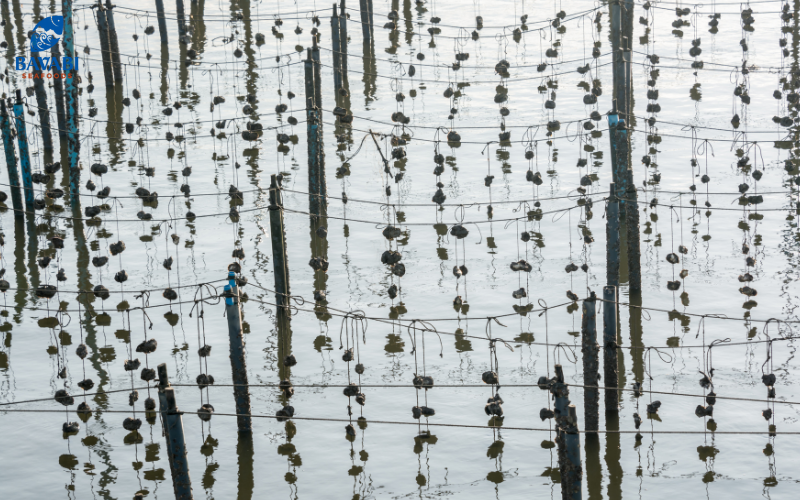
When the tide is high, buoys float on ropes with bags of commercial oysters hanging vertically. When the tide is high,tubes, the oyster bags are continuously turned over and lowered. There is also another system, with a long adjustable line, where cages, trays or bags hang in a long line that can be pulled up for care. Like the surface culture technique, the suspended oysters are constantly exposed to the impact of the waves.
Thus, there are many different ways to cultivate Pacific oysters. Farmers can combine different methods to suit their conditions.
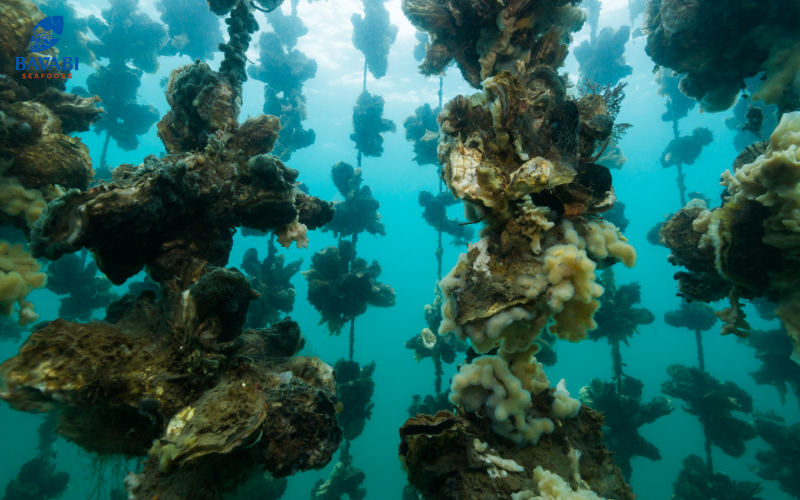
For a visual view, you can contact Ruochau – Bavabi to visit the Milk Oyster farming areas in Van Don – Quang Ninh. Currently, Bavabi is the number 1 unit in Oyster processing in Vietnam. Contact information via hotline 0971.900.688.
Reference source: Vietnam Seafarming Association