What are oyster floss? What is their nutritional value? Who should use it, who should not use it… This article will help you get answers to the above questions.

1/ What is oyster floss?
For floss, each region will have a different names, if Northerners call it ruoc, most Southerners call it cha bong. You need to avoid confusing ruoc thit (cha bong) with mam ruoc (a type of ruoc made from fermented fish and shrimp, liquid, wet or slightly thick, popular in the Central region).
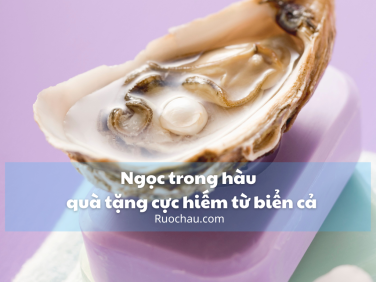
Basically, ruoc oyster is the same as ruoc thit, ruoc fish, shrimp… all are types of dry food. However, oyster floss is made from the main ingredient of oyster meat – a soft-bodied mollusk belonging to the bivalve crustacean family, related to clams, living in coastal reefs or estuaries…

It should also be noted that, because oysters are mollusks, they do not have long meat fibers. Therefore, to make oyster floss, manufacturers often mix pork floss and shrimp floss in a ratio of 20-30%. This blending helps the floss have a natural sweetness, reducing the fishy smell without using additives, preservatives or chemicals. To ensure good preservation time, after canning, oyster floss will be sterilized with boiling water at 121 degrees Celsius.
2/ What is the nutritional value of oyster floss?
Oysters are an extremely valuable seafood not only because they are processed into many delicious dishes but also provide the body with countless nutrients and minerals. The most typical of which is zinc, followed by protein, vitamin D, vitamin B12, phosphorus, lipids… In particular, oysters also contain a “huge” amount of fatty acids such as omega-3, antioxidants that are very good for the body.

On average, 100g of oyster floss will provide the body with 250-300 calories, 40-50g of protein, 10-13g of lipids, 400-500g phosphorus, DHA and EPA… With great nutritional values, oyster floss brings outstanding health benefits including:
- A rich source of nutrients for the body
- Reduces infections, strengthens the immune system
- Helps strengthen bones, reduces the risk of osteoporosis
- Heals wounds, scratches, bruises
- Reduces dental problems
- Improves vision
- Eat better, sleep better
- Promote blood circulation, enhance cardiovascular health protection, reduce the risk of atherosclerosis
- Strengthen muscles
- Good for the reproductive system
- Control weight well, reduce the risk of obesity
- Prevent aging, treat acne
3/ Who should use oyster floss?
With the above benefits, oyster floss becomes a dish that anyone can use to increase energy and improve health. However, in terms of health benefits, oyster floss is especially good for the following groups of people:

- Babies in the weaning period (from 6 months old onwards)
- Children in the development period (especially stunted, malnourished children, children with a history of premature birth…)
- People with stress, insomnia
- People with cardiovascular problems
- Elderly people
- Men with erectile dysfunction
- Pregnant and postpartum mothers
With oyster floss, you can eat it with rice, sticky rice, bread or add it to porridge for your baby to eat or add it to many other dishes. The flavor of oyster floss is fragrant, delicious, fluffy, light, especially safe, no chemicals, no preservatives, no MSG… Therefore, you can rest assured to use it for yourself and your family.
Hopefully, the above sharing has helped readers understand what oyster floss is, what ingredients it is made from, its nutritional value as well as who should use oyster floss, thereby making the most suitable nutritional choice for the whole family.
If you want to try a new flavor of Bavabi Oyster Floss, do not hesitate to contact Bavabi via Hotline 1900 232325 for advice and product experience.
>>> See more: Products Bavabi Oyster Floss is rich in nutrients zinc, protein, vitamin D, vitamin B12, phosphorus, lipids… very good for the body