

Oysters are a popular seafood not only for their delicious taste but also for their rich nutritional value, which is good for health, especially for men’s physiological health. Today, let’s learn about the nutritional value of oysters in this article with Bavabi!
1. Vitamins and minerals
Vitamin B12: This nutrient is important for maintaining the nervous system, metabolism, and blood cell formation. Many people, especially older adults, are deficient in this vitamin.
Zinc: This mineral plays an important role in immune system health, and zinc supplementation helps with metabolism and cell growth. A 3.5-ounce (100-gram) oyster provides more than 600% of the RDI.
Selenium: This mineral maintains proper thyroid function and metabolism. It also acts as a powerful antioxidant, helping to prevent damage to cells caused by free radicals.
Vitamin D: Vitamin D is essential for immune health, cell growth, and bone health. Many people are deficient in this vitamin, especially those living in colder climates.
In addition, zinc and vitamins B12 and D also have antioxidant effects, increasing the protective benefits of oysters even further. Research shows that people who eat a diet rich in antioxidants have a reduced risk of heart disease, diabetes, and certain cancers.
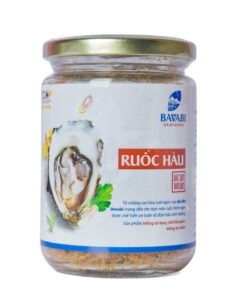
2. High-quality Protein Source
Oysters are an excellent source of high-quality protein, with 100 grams containing 7 grams of this nutrient. They are also a complete protein source, meaning they contain all nine essential amino acids your body needs. Adding protein sources to meals and snacks can help promote feelings of fullness and are suitable for those who are trying to lose weight.
Protein-rich foods help stabilize hunger by increasing levels of fullness hormones such as peptides and cholecystokinin.
High-protein diets have been shown to be effective in promoting weight loss and lead to greater weight loss than low-fat or high-carb diets.
Following a high-protein diet may also be beneficial for blood sugar control, especially in people with diabetes.
3. Contains antioxidants
In addition to beneficial nutrients such as vitamins, minerals, and protein. Oysters also contain a recently discovered unique antioxidant called 3,5-Dihydroxy-4-methoxybenzyl alcohol (DHMBA).
DHMBA is a phenolic compound that exhibits powerful antioxidant effects.
In fact, one study found that it was 15 times more powerful in fighting oxidative stress than Trolox, a synthetic form of vitamin E commonly used to prevent damage caused by oxidative stress. Some test-tube studies suggest that DHMBA from oysters may be particularly beneficial for liver health.
DHMBA reduces the oxidation of LDL (bad) cholesterol. Cholesterol oxidation is a chemical reaction linked to atherosclerosis (the buildup of plaque in your arteries), a major risk factor for heart disease


