A good diet will help children with fever quickly cool down and become healthy. On the contrary, if mothers give their children bad foods, the fever will get worse and be extremely dangerous. So what should children eat when they have a fever, what is their diet and abstinence? All will be noted in the article below, mothers should pay attention to follow.
What should children with fever eat according to their age?
There are many reasons why children have a fever such as teething, vaccinations, infections or wearing too many clothes. Therefore, as soon as the baby has a fever, the mother needs to check the cause and apply fever-reducing measures at home. If not, it is best to contact a doctor for diagnosis and timely treatment. Depending on the age, nutrition for children with fever will also be different. Mothers can refer to the following 3 basic milestones:
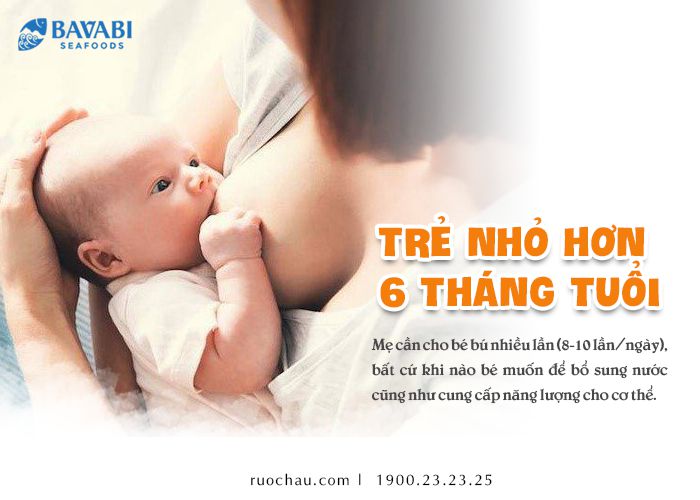
Children under 6 months old
Mothers need to breastfeed their babies many times, an average of 8-10 times/day. Whenever the baby wants to replenish water as well as provide energy for the body.
Children from 6 – 24 months old
Mom should continue to breastfeed if the baby wants. Feed the baby porridge as usual but in a thinner ratio. Mom should divide it into 4 – 5 meals. Each meal is from ⅓ to ½ cup so that the baby feels more comfortable but still has enough nutrients. In addition, mothers should supplement fruit juice after the baby breastfeeds or eats to rehydrate.
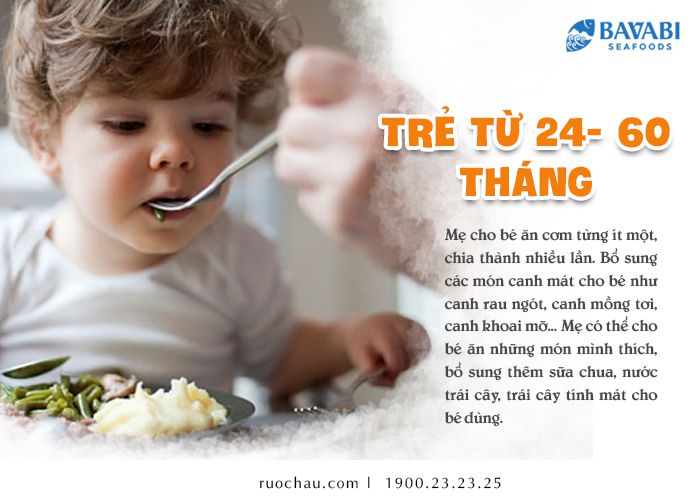
Children from 24 to 60 months old
Mothers should feed their babies rice little by little, divided into many times. Supplement cool soups for your baby such as spinach soup, jute soup, taro soup… Mothers can feed their babies the foods they like, add yogurt, fruit juice, and cool fruits for their babies to use.
In addition to actively rehydrating and providing nutrition for children with fever, mothers need to know the list of foods to eat and foods to avoid to help their children not feel uncomfortable or worse. Foods that mothers should feed their children when they have a fever include:
- Fruits, fruit juices such as oranges, soup, strawberries…
- Thin foods such as soup, vermicelli, porridge cooked with meat, fresh oysters or Bavabi oyster floss to supplement nutrition
- Yogurt supplements beneficial bacteria for the intestines
- Green vegetables such as tomatoes, spinach, jute, and mustard greens help children reduce fever and increase resistance
- Coconut water provides electrolytes, potassium, and vitamins
- Oatmeal for children’s snacks
- Ginger water with fever, increases resistance: 200ml of boiling water mixed with ½ teaspoon of fresh ginger, strain the water, wait for it to cool for the child to use.
Things to avoid when the child has a fever
In addition to paying attention to what the child eats when having a fever, mothers also need to pay attention to foods to avoid such as:
- Cold ice water increases the risk of sore throat
- Fried dishes with a lot of oil cause digestive disorders
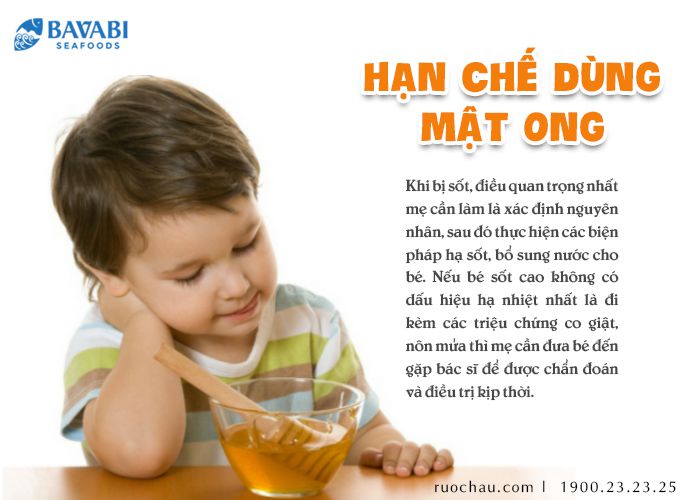
- Limit the use of honey
- Limit the consumption of chicken eggs, eggsduck
- Spicy dishes, spices such as chili, pepper
In addition, mothers should avoid doing some things after their baby has a fever such as:
- Wipe the baby’s body with ice
- Use fever-reducing medicine arbitrarily when the body temperature is below 38 degrees Celsius
- Give the baby IV fluids without a doctor’s prescription
- Pour medicine into the baby’s mouth when the baby has a seizure
- Leave the child alone when taking the temperature
- Keep the child warm, cover with many blankets, and dress the child in many clothes
When having a fever, the most important thing a mother still needs to do is to determine the cause. Then take measures to reduce the fever and replenish water for the baby. If the baby has a high fever with no signs of cooling down, especially accompanied by symptoms of convulsions and vomiting, the mother needs to take the baby to the doctor for timely diagnosis and treatment. Hopefully, the above sharing has provided useful information for parents so that they can have better methods of caring for their baby with a fever, avoiding unnecessary mistakes.
>>> Reference:Nutrition for babies from 0 to 5 years old is different like that which