

Zinc plays a very important role, however, the manifestations of zinc deficiency are extremely latent and difficult to diagnose. It can be confused with some diseases. So let’s learn about the role of zinc and prevent zinc deficiency in children in the following article.
The role of zinc in growth and development in children
Maybe parents do not know, zinc is an essential micronutrient that directly affects the health of young children. It plays an important role in the development of children. Zinc deficiency in children can cause many problems. For example: anorexia, malnutrition, slow physical and neurological development, … and many other problems. So what is the effect of zinc?
Zinc is the 6th most abundant trace mineral in the human body. Zinc only accounts for 2 – 3g of body weight but it plays a very important role in the development of the body, especially in young children.
Promotes physical growth by acting on the digestive system;
Enhances absorption, increases protein synthesis and cell division.
Participates in the synthesis and regulation of the function of the hypothalamic hormone axis. For example: GH, IGF-I. These are growth hormones and growth stimulants.
Maintain and protect taste and olfactory cells. The metabolism of taste cells will be affected if there is a lack of zinc, leading to anorexia due to taste disorders. Children who are picky eaters will be malnourished and their growth and development will be affected;
Zinc helps transport calcium into the brain to help stabilize the nervous system and maintain brain development. Therefore, if supplemented with enough zinc, children will have a good memory.
In addition, zinc helps strengthen the immune system. When the body lacks zinc, it will increase the risk of infectious diseases, thereby reducing growth and development, increasing the risk of malnutrition and death in children.
Signs of zinc deficiency in children
Most cases of zinc deficiency in children occur when zinc intake is insufficient or poorly absorbed, increasing zinc loss from the body. Common symptoms include:
- Loss of appetite.
- Hair loss.
- Prolonged diarrhea.
- Skin diseases such as eczema, slow wound healing, slow scar healing
- Visual disorders.
- Bone development disorders: children are slow to develop, often sick, lose weight,…
Zinc deficiency not only affects the physical physical but also has a negative impact on the spirit, making children irritable. Because zinc helps transport calcium into the brain. Calcium is one of the important substances that help stabilize the nervous system. Biochemical signs associated with zinc deficiency include decreased serum zinc levels (below 70mcg/dl or below 10.7micromol/L). In addition, when the child’s body lacks zinc, the meal will no longer be “attractive” to the child because this is the mineral that enhances taste.
How to prevent zinc deficiency in children?
According to the recommendations of the World Health Organization (WHO), the amount of zinc supplement needed for children depends on their age, specifically:
- Breastfeeding: Newborns who breastfeed less are at risk of zinc deficiency. The amount of zinc in breast milk is much easier to absorb than in cow’s milk. Therefore, it is necessary to breastfeed exclusively for the first 6 months – 2 years old. In addition, mothers need to eat foods rich in zinc to have enough for both mother and child.
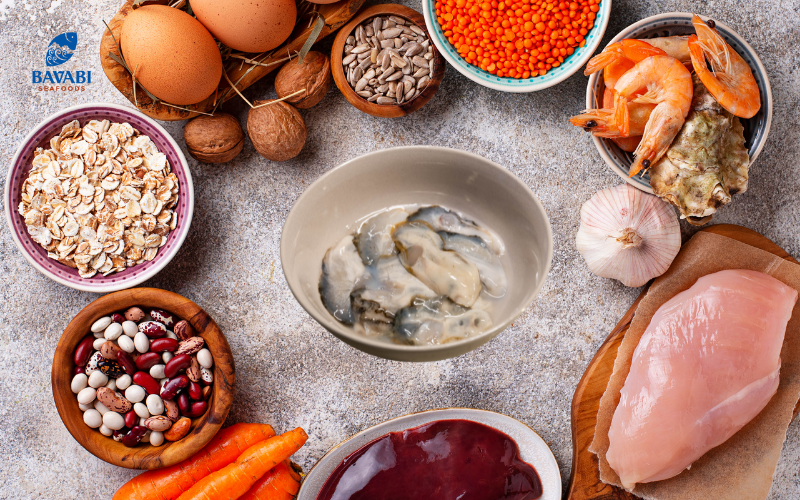
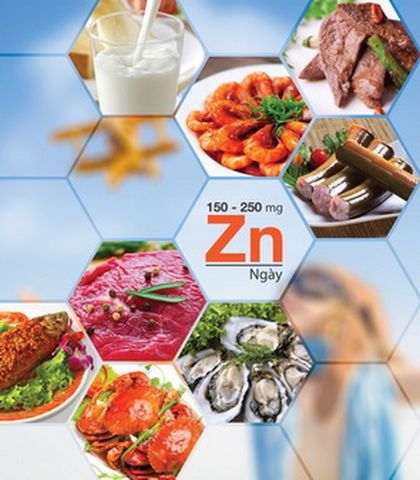
- Add foods rich in zinc to your daily meals: Foods rich in zinc such as oysters, egg yolks, beef, pork liver, fish, freshwater shrimp, eel, clams, milk, soybeans, oilseeds, etc.
- Add more zinc: Formula milk, nutritional powder, multi-micronutrient cereals containing zinc or syrups, etc. Especially in During periods when children are sick such as diarrhea, respiratory infections, children need higher zinc needs than normal.
- Zinc supplementation for children: Children under 3 months need 3mg of zinc per day. Children from 5 months to 12 months old need 5 – 8mg/day. Children from 1 year to 10 years old need about 10 – 15mg/day for optimal height and physical development.
Preventing zinc deficiency in children is very important. If done well, it will help children develop healthily and strengthen their immune system. Some measures to prevent zinc deficiency include:
Buy clean oyster floss or milk oysters to supplement Zinc for children
There are many ways to supplement zinc for children, but among the best and most zinc-rich foods, milk oysters must be mentioned. The amount of zinc in 100g of oysters can be up to 47.8mg. Meanwhile, meat only accounts for 5.2mg and 100g of fishis 0.8 mg. It is easy to see that the zinc in oysters is many times higher than that in regular fish meat.
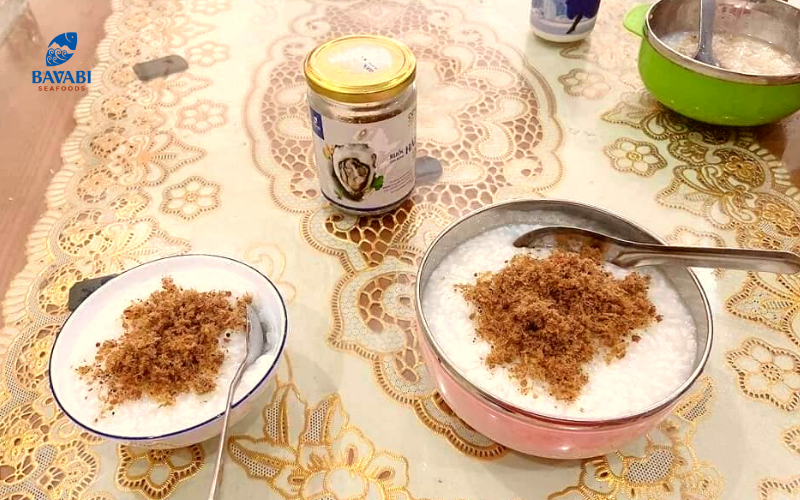
Parents can buy fresh oyster intestines or oyster floss for their children to supplement zinc. Currently, Bavabi is the number 1 unit in oyster processing in Vietnam. Parents can visit supermarket systems or clean food stores to buy oyster products. For example, Con Cung, Kid Plaza Be Bu Bam, Soi Bien, T-mart…
Or contact directly:
- Processing factory: Dong Trung – Dong Xa – Van Don – QN
- Hotline: 0203.6293939 – 0971.900.688
- Email: info@bavabioyster.com
- Website: https://www.bavabioyster.com
- Shopee: https://bit.ly/bavabi_shopee
- Lazada: https://bit.ly/bavabi_lazada
In short, zinc is an important trace element. It is an indispensable component in the human body. Zinc participates in many biological functions in the human body. It plays an especially important role in enhancing immunity and growth in children. Therefore, parents need to pay attention to supplementing zinc for children with foods rich in zinc.


